Waste management looks simple from a distance, yet the choice of a dumpster shapes how efficiently a project runs. Whether you manage a construction site, operate a restaurant, or handle a residential cleanout, the type of dumpster you select affects cost, convenience, and workflow. Many people confuse roll-off dumpsters in Fort Myers with front-load dumpsters, assuming they serve the same purpose. In reality, each one fits a specific type of job and environment.
Understanding the difference between these two options helps you avoid delays, unnecessary expenses, and logistical headaches.
What Is a Roll-Off Dumpster?
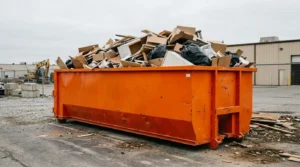
A roll-off dumpster serves temporary projects that generate large amounts of waste within a short period. Contractors, homeowners, and renovation crews rely on it during construction, demolition, or major cleanouts.
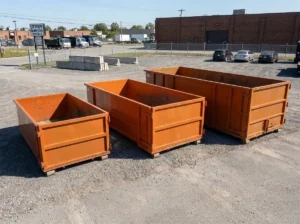
The container itself appears long and rectangular, often with a swinging door at one end. That door allows easy loading of heavy materials such as concrete, wood, drywall, or furniture. Since the top stays open, workers can toss debris in quickly without worrying about tight openings.
Delivery involves a truck that tilts its bed and slides the dumpster onto the ground. When full, the same truck returns, rolls it back onto the bed, and hauls it away.
This setup makes roll-off dumpsters ideal for projects where waste accumulates quickly and unpredictably.
What Is a Front-Load Dumpster?
A front-load dumpster suits ongoing waste collection needs rather than short-term projects. Businesses such as restaurants, offices, apartment complexes, and retail stores depend on these dumpsters for daily trash disposal.
The container typically features a lid and a more compact design compared to a roll-off. It sits in a designated spot, often behind a building or within an enclosure. Waste collection trucks approach the dumpster from the front, use hydraulic forks to lift it, and empty its contents into the truck.
Regular pickup schedules keep the waste under control. Depending on the business’s needs, collection may happen multiple times a week or even daily.
This consistency makes front-load dumpsters the backbone of routine commercial waste management.
Differences in Design and Structure of Roll-Off Dumpsters and Front-Load Dumpsters
The most noticeable difference lies in the design. Roll-off dumpsters prioritize capacity and accessibility, while front-load dumpsters emphasize containment and efficiency.
Roll-off containers remain open at the top, allowing bulky and irregular items to go in without restriction. Their larger size accommodates heavy debris, making them perfect for construction environments. The rectangular shape stretches longer rather than taller, which helps distribute weight.
Front-load dumpsters feature lids to control odor, prevent pests, and protect waste from weather conditions. Their smaller footprint fits neatly into tight commercial spaces. Since they rely on mechanical lifting systems, their structure supports repeated emptying rather than one-time hauling.
Differences in Usage and Application
Usage defines the real distinction between these two dumpster types. Roll-off dumpsters support temporary, high-volume projects, while front-load dumpsters handle continuous, lower-volume waste disposal.
If you plan a home renovation, roof replacement, or landscaping overhaul, a roll-off dumpster provides the flexibility you need. You fill it at your own pace, and once the project ends, the provider removes it entirely.
Front-load dumpsters, however, integrate into daily operations. A restaurant generates waste every day, not just during a specific project. Instead of replacing the container, waste management services empty it regularly.
Choosing the wrong type can disrupt your workflow. A front-load dumpster cannot handle construction debris effectively, and a roll-off dumpster would sit idle and waste space for routine trash collection.
Also Read: Common Mistakes People Make When Renting a Dumpster
Capacity and Size Variations
Capacity plays a crucial role when selecting a dumpster. Roll-off dumpsters come in larger sizes, often ranging from 10 to 40 cubic yards. This range allows you to match the container to the scale of your project.
A small home cleanout might require a 10-yard container, while a major construction site could need a 30 or 40-yard option. The flexibility ensures you don’t overpay for unused space or run out of room mid-project.
Front-load dumpsters offer smaller capacities, usually between 2 and 8 cubic yards. These sizes align with daily or weekly waste output from businesses. Instead of increasing the container size, companies adjust the pickup frequency to manage higher waste volumes.
Placement and Space Requirements
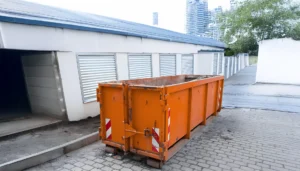
Placement can make or break your waste management plan. Roll-off dumpsters require significant space due to their size and delivery method. The truck needs enough clearance to drop off and pick up the container safely.
You often see roll-off dumpsters in driveways, construction sites, or open lots. Planning placement ahead of time ensures easy access and avoids damage to surrounding surfaces.
Front-load dumpsters require less space and fit neatly into designated areas. Businesses often place them behind buildings or inside fenced enclosures. Since the collection truck lifts the dumpster vertically, overhead clearance becomes important.
Cost Considerations and Pricing Models
Cost depends on how you use the dumpster. Roll-off dumpsters typically follow a flat-rate pricing model. You pay for delivery, a set rental period, and disposal within a certain weight limit.
This structure suits projects with a clear beginning and end. However, exceeding weight limits or extending the rental period can increase costs.
Front-load dumpsters operate on a subscription-like model. Businesses pay a recurring fee based on container size and pickup frequency. This predictable pricing helps companies manage their budgets more effectively.
Waste Types and Material Handling
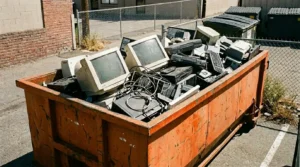
Different dumpsters handle different types of waste. Roll-off dumpsters accept a wide range of materials, including construction debris, furniture, yard waste, and even certain types of heavy materials like concrete.
This versatility makes them essential for projects that produce mixed waste. However, hazardous materials usually remain prohibited and require specialized disposal.
Front-load dumpsters handle general waste such as food scraps, packaging, and office trash. Their design focuses on everyday waste rather than bulky or heavy materials.
Always Choose The Right Dumpster in Fort Myers
Do you need help choosing a dumpster rental? Contact 98 Dumpster Rentals. We will assess your needs and provide you with the right one according to your needs. We provided all types of dumpsters, including roll-off dumpsters, in Fort Myers. Call us now and let’s talk.