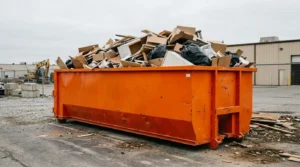
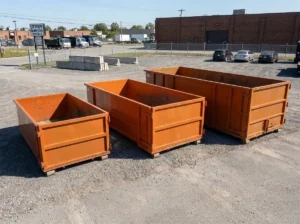
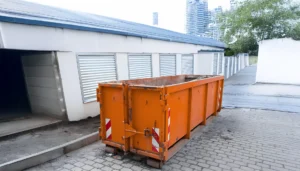
For most residential projects, a 20-yard dumpster is the right size. It holds roughly 6 pickup truck loads of debris and handles single-room renovations, large decluttering projects, and roof tear-offs up to about 3,000 square feet of shingles. Smaller cleanouts do well with a 10-yard container, while whole-home renovations and construction jobs typically require a 30- or 40-yard dumpster.
Choosing the right size matters more than most people expect. Order too small and you’ll pay for a second haul. Order too large and you’re paying for air. Every dumpster rental decision comes down to three variables: the volume of debris, its weight, and the space you have available for delivery.
Use the quick-reference chart below to find your match, then keep reading for detailed breakdowns of each size, weight limits, common project examples, and the mistakes that lead to overage fees.
Dumpster Size Quick Reference
| Size | Holds About | Weight Limit | Best For |
|---|---|---|---|
| 10-yard | 3 pickup loads | 2–3 tons | Small bathroom remodel, garage cleanout, concrete/dirt |
| 15-yard | 4–5 pickup loads | 2–3 tons | Flooring removal, mid-size cleanout, small deck teardown |
| 20-yard | 6 pickup loads | 3–4 tons | Kitchen remodel, roof replacement, large estate cleanout |
| 30-yard | 9 pickup loads | 4–5 tons | Whole-home renovation, new construction, additions |
| 40-yard | 12 pickup loads | 5–6 tons | Commercial demolition, large-scale construction, bulky debris |
Weight limits vary by hauler and location. Always confirm the tonnage included in your quote.
Read More: Renting a Dumpster for the First Time?
How Dumpster Sizes Get Measured Before You Book
The number on a roll-off bin points to how much it holds in cubic yards. A 10-yard bin holds about ten cubic yards of material, a 20-yard bin holds twenty, and so on up the line. One cubic yard equals 27 cubic feet of space, and a full pickup truck bed holds close to three cubic yards. That gives you a simple way to picture volume before you commit.
Two numbers decide the size you need. The first is volume, which is how much space your waste fills. The second is weight, since every bin carries a load limit. Heavy material like concrete, dirt, or roofing shingles hits the weight cap long before the walls fill up, so a smaller bin often suits a heavy load better than a large one. When you weigh both volume and weight together, the right pick becomes clear.
A Size by Size Guide to Dumpster Sizes in Fort Myers
Roll-off bins come in four common capacities, and each one fits a different scale of work. Below we break down the dimensions, the load each holds, and the jobs that suit it, so the dumpster sizes on this list line up with your project.
The 10 Yard Dumpster for Garage Cleanouts and Small Remodels
The 10-yard bin is the smallest standard roll-off and fits well on a tight driveway. It runs around 13 to 16 feet long and holds close to 50 to 70 trash bags, or three pickup truckloads. The weight limit sits between one and three tons. This size handles a single room remodel, a small bathroom or kitchen tear-out, a garage cleanout, or a modest yard project. For contractors clearing heavy debris like broken concrete, this compact bin also keeps the load within safe weight limits while you fill it. Booking a roll off dumpster rental in this size saves money on jobs that produce dense but low-volume waste.
The 20 Yard Dumpster for Roofing, Flooring, and Mid Size Jobs
The 20-yard bin is the most popular pick across both homes and job sites. A standard unit measures about 22 feet long, 7.5 feet wide, and 4.5 feet high, with a weight limit of two to three tons. It swallows roughly 110 to 130 trash bags, or six pickup truck loads. Roofing crews favor it for shingle tear-offs, flooring teams use it for large removal jobs, and property managers lean on it for mid-size cleanouts and office turnovers. If your project falls between a small cleanup and a full renovation, this is the size that fits most Fort Myers work.
The 30 Yard Dumpster for Whole Home Renovations and Light Construction
The 30-yard bin steps up in height and capacity for bigger jobs. It measures about 22 feet long, 8 feet wide, and 6 feet tall, holds around nine pickup truckloads and 200 or more trash bags, and carries a weight limit near four to five tons. Contractors reach for this size on whole-home renovations, multi-room gut jobs, estate cleanouts, and small commercial remodels. The taller walls hold high volumes of drywall, wood, and mixed debris without needing a second container mid-project.
The 40 Yard Dumpster for Demolition and Commercial Cleanouts
The 40-yard bin is the largest roll-off and serves serious hauling. It shares the 22-foot length of the 30-yard but stands taller, holds about 40 cubic yards, or roughly 16 pickup truckloads, and carries the highest weight allowance in the lineup. New construction, building demolition, whole-property siding or window replacement, and full commercial cleanouts all call for this size. Contractors managing a large site can book a construction dumpster rental at this capacity and keep debris moving off the job without daily hauls slowing the crew.
Matching the Bin to Your Type of Waste
Volume is only half the story, and the material you toss shapes your choice just as much. A load of clean household junk fills space fast but stays light, while a load of concrete or soil grows heavy in a hurry. For dense debris, a shop will often point you to a smaller heavy-duty bin so the weight stays legal for transport. Certain items are off-limits in any roll-off container across Lee County, and putting them in leads to fines or a refused pickup. The list of restricted materials usually includes:
- Paint, solvents, and household chemicals
- Car and household batteries
- Tires and propane tanks
- Asbestos and other hazardous waste
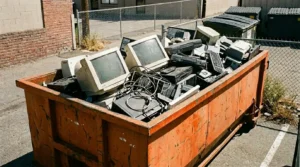
- Certain electronics
Sorting these out before the bin arrives keeps your rental smooth and your final bill free of surprise charges.
What Size Dumpster Do I Need for Common Projects?
Choosing the right dumpster often comes down to the type of project you’re tackling. While every job produces a different amount of waste, these recommendations can help you select the right size without paying for unnecessary space or needing an additional container.
Home Cleanouts
For attic, basement, garage, or whole-house cleanouts, a 20-yard dumpster is usually the best choice. It provides enough room for old furniture, boxes, household junk, and general debris. For larger estate cleanouts, a 30-yard dumpster may be a better fit.
Bathroom Remodels
A 10-yard dumpster is ideal for most bathroom renovations. It easily handles old fixtures, drywall, tile, flooring, and cabinetry while staying within weight limits for heavier materials.
Kitchen Remodels
Kitchen renovations generate more waste than bathrooms due to cabinets, countertops, appliances, flooring, and drywall. A 20-yard dumpster is typically the recommended size for most kitchen remodeling projects.
Roof Replacements
For most residential roofing jobs, a 20-yard dumpster is the preferred option. Since asphalt shingles are heavy, choosing a container that matches both the debris volume and weight is important. Larger roofs or commercial roofing projects may require a 30-yard dumpster.
Flooring Removal
Whether you’re removing hardwood, tile, laminate, or carpet throughout several rooms, a 15-yard or 20-yard dumpster usually provides enough capacity. Heavy flooring materials like tile may reach weight limits before filling the container.
Construction and Renovation Projects
Whole-home renovations, room additions, and new construction projects generally require a 30-yard dumpster. Large commercial construction or demolition jobs often call for a 40-yard dumpster to handle high volumes of debris efficiently.
Concrete, Brick, and Dirt Removal
Heavy materials such as concrete, bricks, asphalt, and dirt should usually be placed in a 10-yard dumpster. Although these materials don’t take up much space, they become extremely heavy and can exceed the weight limits of larger containers if overfilled.
How Much Can You Put in a Dumpster?
Every dumpster has both a volume limit and a weight limit, so filling it correctly is just as important as choosing the right size. Debris should never extend above the top edge of the container, as overloaded dumpsters cannot be safely transported. Weight limits also vary by dumpster size and the type of material being disposed of.
To avoid additional charges or pickup delays:
- Fill debris only up to the top rim of the dumpster.
- Distribute heavy materials evenly across the container.
- Keep concrete, dirt, brick, and roofing shingles separate from lighter household waste whenever possible.
- Do not overload the dumpster beyond its included weight allowance.
- Avoid placing prohibited items such as hazardous chemicals, paint, batteries, propane tanks, tires, and asbestos in the container.
If you’re unsure whether your project will exceed the weight limit, it’s always best to discuss your debris type with your dumpster rental provider before booking. They can recommend the most suitable dumpster size for your project while helping you avoid overweight fees and unnecessary costs.
How Dumpster Size Affects Your Cost
The gap between the right size and the wrong one shows up fast on your invoice. Order too small and you fill the bin before the work is done, which forces a second haul and doubles part of your cost. Overload a bin past its weight cap or heap debris above the fill line, and the truck cannot lift it, so you face an extra fee and a delay. Order far too large, and you pay for space you never use. In Fort Myers, prices shift with size, weight, and debris type, and a single bin can start near $300 and climb past $595 depending on what you throw in.
One right-sized order protects both your schedule and your budget.
Read More: How Much Does It Cost to Rent a Dumpster?
Permit and Placement Rules Around Fort Myers
Where the bin sits matters as much as which size you pick. Place the container on your own driveway or private lot, and you usually need no permit at all. Set it on a public street, sidewalk, or right-of-way, and a temporary permit is typically required. North Fort Myers falls under unincorporated Lee County, so street placement there routes through the county rather than the city. A short call to the City of Fort Myers or Lee County before delivery clears up the rule for your exact address and keeps your project on track.
Tips for an Easy Dumpster Rental
A little prep on your end makes drop-off and pickup painless. A few habits go a long way:
- Clear the drop spot of cars, low branches, and clutter so the truck has a straight path.
- Estimate your debris in pickup loads first, then round up one size for a safety margin.
- Group heavy material like concrete separately, since it counts toward your weight cap.
- Confirm your rental window, which commonly runs 7 to 14 days, so you avoid daily overage.
These small moves keep the whole rental on schedule and your cost where you expect it.
Avoid Extra Costs with the Right Dumpster Size
That growing heap of waste will not clear itself, and every day it sits, it eats into your workspace and your timeline. Guessing the wrong size now means paying twice later, once for the bin that ran short and again for the second haul you never planned for. Our team helps contractors, property managers, and homeowners across Fort Myers match the exact dumpster sizes to the job, so you order once and move on with the work.
Contact 98 dumpster rentals Fort Myers today, share your project, and get the right bin on your site before the mess slows you down.
Frequently Asked Questions
What size dumpster do I need for a 2,000 sq ft roof?
A 20-yard dumpster handles most residential roof replacements up to about 3,000 square feet of shingles. Because asphalt shingles are dense, the container hits its weight limit before it fills, so a 20-yard bin is usually sufficient even on larger homes.
How long can I keep a dumpster rental in Fort Myers?
Standard dumpster rental periods run 7 to 14 days in Fort Myers. Most providers charge a daily rate beyond that window, so confirm your return date at booking and schedule pickup as soon as the bin is full.
Do I need a permit for a dumpster in Fort Myers?
No permit is required if the dumpster sits on your own driveway or private property. A temporary permit is required for placement on a public street, sidewalk, or right-of-way, and North Fort Myers requests route through Lee County rather than the city.
How much does a dumpster rental cost in Fort Myers?
Dumpster rental in Fort Myers typically starts near $300 and can exceed $595, depending on container size, weight, and debris type. Heavy materials like concrete and roofing shingles push the price higher than an equivalent volume of household junk.
What can’t go in a dumpster?
Paint, solvents, household chemicals, batteries, tires, propane tanks, asbestos, and certain electronics are prohibited in roll-off containers throughout Lee County. Including these items can result in fines or a refused pickup, so sort them out before the bin arrives.