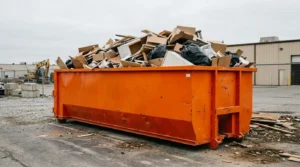
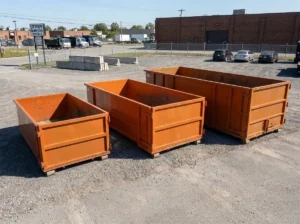
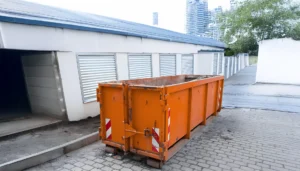
It is easy to underestimate how quickly a dumpster will fill during a home cleanout, renovation, roofing project, or construction job. Toward the end of the project, it can be tempting to keep adding bags, boards, furniture, or debris even after the load reaches the top.
That can create a problem.
Most Dumpster Rentals have both a maximum fill level and a weight allowance. Going beyond either one can lead to extra charges, delayed pickup, or a driver refusing to haul the container until material is removed.
The safest rule is simple: keep all debris inside the dumpster, below the required fill line, and within the weight allowance listed in your rental agreement.
Overfilling and Overweight Are Two Different Problems
A dumpster can be overloaded in two ways.
Overfilled by Volume
Material extends:
- Above the sidewalls
- Above the marked fill line
- Over the rear door
- Out over the sides
The container may not be safe to cover or transport.
Overweight
The debris stays below the top but weighs more than the rental allowance or the container can safely transport.
This happens frequently with dense materials such as:
- Concrete
- Brick
- Soil
- Roofing shingles
- Tile
- Plaster
A dumpster can therefore look only half full and still be too heavy.
Understanding both limits before loading begins can prevent an expensive surprise.
Also Read: What Size Dumpster Do I Need?
What Is the Dumpster Fill Line?
The fill line marks the highest level at which debris should be loaded.
Depending on the container, it may be:
- A marked line inside the dumpster
- Slightly below the top rail
- Defined by the rental agreement as level with the sidewalls
Material should generally remain completely inside the container.
If the provider says “nothing above the top,” even one chair leg or long board sticking upward can create a pickup problem.
Why the Fill Line Matters
The dumpster has to move from your property onto public roads.
The load must be able to remain contained and secured during transport.
Federal cargo-securement rules require commercial vehicles to carry cargo in a way that prevents it from leaking, spilling, blowing, or falling from the vehicle. Cargo also has to be controlled so shifting does not affect vehicle stability or maneuverability.
A mound of loose material above the dumpster walls is much harder to transport safely.
An Overfilled Dumpster May Not Be Picked Up
One of the most immediate consequences of overfilling is a refused pickup.
The truck driver may arrive, inspect the load, and determine that the dumpster cannot safely be transported.
Common reasons include:
- Debris above the rim
- Long objects protruding upward
- Items hanging over the sides
- Loose debris likely to fall
- Dumpster door unable to close
- Load too uneven to transport
If that happens, the dumpster may stay exactly where it is.
What Happens Next?
You may need to:
- Remove the excess material.
- Rearrange the remaining load.
- Confirm it is below the fill line.
- Schedule another pickup.
Depending on the rental agreement, the second trip can result in an additional charge.
This can be especially frustrating when the project is already finished and the crew or helpers who loaded the dumpster have left.
You May Be Charged a Failed Pickup or Return-Trip Fee
Sending a roll-off truck to a jobsite involves:
- Driver time
- Fuel
- Truck operating cost
- Scheduling
If the driver cannot remove the container because the customer overfilled it, the wasted trip may not be included in the original rental price.
Possible charges can include:
- Failed pickup fee
- Dry-run fee
- Return-trip charge
- Additional rental days
The exact fee depends on your agreement.
This is one reason to check the dumpster before the scheduled pickup instead of discovering the problem when the truck arrives.
Overfilling Can Prevent the Load From Being Covered
Many roll-off trucks use a tarp or other covering system over the dumpster during transportation.
Material sticking above the sides can prevent that system from closing properly.
This is not merely about keeping the truck looking neat.
Loose debris can:
- Blow out
- Fall onto another vehicle
- Hit a pedestrian
- Damage property
Federal rules require cargo on commercial motor vehicles to be contained or secured against falling or shifting during transportation.
If the load cannot be secured appropriately, it should not be taken onto the road in that condition.
Long Pieces Can Overfill a Dumpster Even When There Is Empty Space
Overfilling does not always mean the dumpster contains too much total debris.
Sometimes the problem is poor loading.
Examples include:
- Long lumber sitting diagonally
- Tree branches sticking upward
- Cabinet panels leaning against the walls
- Furniture legs extending above the rim
There may still be unused space underneath those items.
Reposition Bulky Debris
When practical and permitted:
- Break down furniture.
- Cut long materials into manageable lengths.
- Lay flat pieces horizontally.
- Fill gaps around larger items.
- Keep all debris below the sidewalls.
Efficient loading can create significantly more usable space without exceeding the fill line.
Weight Can Become a Problem Long Before the Dumpster Looks Full
Heavy material is where many renters get caught off guard.
Imagine a 20-yard dumpster.
You might expect that you can fill all 20 cubic yards.
That is not necessarily true if the material is extremely dense.
Heavy Debris Includes
- Concrete
- Brick
- Asphalt
- Dirt
- Stone
- Roofing shingles
- Plaster
A container filled completely with concrete, for example, could be far too heavy for the truck even though every piece remains below the walls.
This is why heavy-debris projects often use smaller containers or special loading limits.
What Is a Dumpster Weight Allowance?
Many Dumpster Rentals include a specified amount of disposal weight in the base price.
For example, a rental may include:
3 tons
If the final load weighs:
3.8 tons
the extra:
0.8 ton
may be billed at the provider’s stated overage rate.
The load is generally weighed at a disposal or transfer facility.
Included Weight Is Not Always the Maximum Safe Weight
These are two separate concepts.
Included Allowance
The amount covered by the quoted rental price.
Maximum Weight
The greatest load the dumpster and truck can safely or legally transport.
Going above the included allowance may simply create a fee.
Going far beyond the equipment’s transport limit can prevent pickup altogether.
How Can an Overweight Dumpster Affect Pickup?
A roll-off truck has maximum weight limitations just like other commercial vehicles.
If a container is believed to be dangerously heavy, the driver may not be able to load it.
Possible solutions include:
- Removing some debris
- Dividing the material between two dumpsters
- Using a different disposal arrangement
Trying to lift an excessive load can place unnecessary stress on:
- Roll-off truck
- Hoist system
- Container
- Driveway or surface beneath it
Heavy debris should therefore be discussed before the dumpster is delivered.
Uneven Loading Can Also Create Problems
Weight should not all be concentrated in one corner or at one end of the container.
An uneven load can affect how the dumpster:
- Sits on the ground
- Is pulled onto the truck
- Travels during transport
Load Heavy Material Evenly
Instead of dropping all dense debris into one area:
- Spread it across the bottom.
- Keep the load balanced.
- Add bulky lighter debris around it where permitted.
Do not use heavy equipment to aggressively compact debris unless the provider specifically allows it.
Compressing material can make the dumpster far heavier than it appears.
What If Material Is Hanging Over the Sides?
Nothing should hang over the sides of a dumpster.
Common examples include:
- Lumber
- Metal pipes
- Carpet rolls
- Tree branches
- Furniture
These materials can:
- Strike nearby objects
- Fall during transport
- Prevent secure tarping
- Interfere with the truck’s equipment
If an object does not fit entirely inside the dumpster, ask how it should be handled rather than balancing it across the top.
Overfilling Can Damage the Dumpster Door
Many roll-off dumpsters have a large rear door that opens so heavy or bulky material can be carried inside rather than lifted over the top.
When loading through the door, be careful not to pile material against it in a way that makes it impossible to close.
Before pickup, the door needs to be:
- Closed
- Latched
- Clear of obstructing debris
Do Not Force the Door Shut Against Material
If debris is pressing against it, remove or rearrange the load.
Forcing the door can:
- Damage hinges
- Damage latches
- Cause material to spill
- Create an unsafe load
Load toward the front and middle carefully as the dumpster fills rather than leaving everything piled directly behind the door.
Prohibited Items Can Create Problems Even When the Dumpster Is Not Full
Staying below the fill line does not mean every item is allowed.
Rental agreements may restrict materials such as:
- Paint
- Chemicals
- Fuel
- Batteries
- Tires
- Refrigerant appliances
- Electronics
- Medical waste
- Asbestos-containing material
Rules vary according to location and disposal facility.
Ask Before Loading Unusual Materials
If you are unsure about an item, check first.
Removing a prohibited material from the top of a dumpster is relatively easy.
Finding it buried underneath several tons of debris at the disposal facility can create a much bigger problem.
What Happens if You Realize the Dumpster Is Overfilled Before Pickup?
This is the best time to fix it.
Do not wait for the driver.
Step 1: Stop Adding Material
Even if only a few project items remain, do not keep building the pile higher.
Step 2: Check the Fill Line
Walk around the container and look at the load from all sides.
Anything protruding above the permitted level needs attention.
Step 3: Reorganize the Load
There may be unused space lower inside.
Break down or reposition bulky items where safe.
Step 4: Remove Excess Material
If everything already fits efficiently, unload enough material to bring the pile below the limit.
Step 5: Contact the Rental Provider
If substantial waste remains, ask about:
- Second dumpster
- Additional haul
- Container swap
Handling the problem before pickup is usually easier than dealing with a rejected haul.
Should You Jump on Debris to Make It Fit?
No.
Climbing into a loaded dumpster is risky.
Debris can contain:
- Nails
- Broken glass
- Sharp metal
- Unstable furniture
- Hidden gaps
You can fall, become trapped, or suffer serious cuts.
Trying to compact the material manually can also create a deceptively heavy load.
Choose a larger container or remove excess material instead.
How to Avoid Overfilling From the Start
Most overfill problems begin with choosing a container that is too small for the project.
Estimate the volume before ordering.
Smaller Cleanouts
May include:
- Closet contents
- Small room cleanout
- Limited household clutter
Medium Projects
May include:
- Several rooms
- Flooring
- Furniture
- Small remodeling job
Larger Projects
May include:
- Whole-home cleanout
- Major renovation
- Construction debris
- Estate cleanout
If you are between two sizes, ask whether using the larger option makes more sense.
One correctly sized dumpster can be simpler than filling a smaller one beyond its limits and then needing a second rental anyway.
Break Down Bulky Items Before Loading
Air takes up valuable container space.
A large piece of furniture may occupy several cubic yards even though much of that space is empty.
When safe and permitted, disassemble items such as:
- Tables
- Shelving
- Cabinets
- Bed frames
Flatten:
- Cardboard
- Boxes
- Light packaging materials
This allows the same dumpster volume to hold more actual waste without piling above the sides.
Load With a Plan
Throwing debris randomly into the container wastes space.
A more efficient sequence is:
Bottom
Start with:
- Flat heavy items
- Dense material where allowed
Middle
Add:
- Furniture pieces
- Boxes
- General debris
Gaps
Use smaller material to fill unused areas.
Top
Keep:
- Light manageable debris
below the permitted fill line.
The goal is a relatively level load rather than a mountain in the center.
Check Both Volume and Weight During Heavy Projects
Visual inspection tells you whether the dumpster is too full.
It does not tell you whether it is too heavy.
For projects involving dense waste, estimate weight separately.
Heavy-Debris Projects Include
- Concrete removal
- Roof replacement
- Brick demolition
- Tile removal
- Soil excavation
Discuss these materials when ordering the dumpster.
The provider may recommend:
- Smaller container
- Reduced fill height
- Dedicated heavy-debris dumpster
- Multiple loads
That is much safer than discovering the weight problem after loading.
What if You Need More Space Than Expected?
Projects change.
You may open a wall and discover more demolition debris than expected, or a cleanout may uncover years of stored belongings.
If the dumpster is reaching its limit, stop and reassess.
Your Options May Include
- Early pickup and replacement
- Second dumpster
- Larger container for the next load
- Separate disposal for certain materials
A second properly loaded dumpster is usually preferable to one unsafe container.
Read More: Renting a Dumpster for the First Time?
Dumpster Overfill Checklist
Before scheduling pickup, walk around the container and check:
Fill Level
- Nothing above the fill line
- Nothing above the rim, where that is the stated limit
- No boards or branches sticking upward
- No objects hanging over the sides
Load
- Debris distributed reasonably evenly
- Rear door can close
- Heavy debris within allowed limits
- No obvious unstable piles
Materials
No prohibited waste
Special items approved
Heavy materials discussed in advance
Pickup Area
- Truck can reach the dumpster
- No vehicles blocking access
- Area around container is clear
Taking a few minutes to check these details can prevent a failed pickup.
Stay Below the Fill Line and Within the Weight Limit
Overfilling a dumpster can result in more than an untidy load. Debris above the fill line may prevent the container from being safely covered and transported, while excessive weight can lead to disposal overage charges or make the container unsafe to lift. Federal cargo rules require material transported on commercial vehicles to be secured against falling, spilling, or shifting during transit.
At 98 Dumpster Rental, we provide Dumpster Rentals for cleanouts, renovation debris, construction projects, and other waste-removal needs. We can help you choose a container size based on the type and approximate amount of material you expect to remove, which makes it easier to keep the final load within both fill and weight limits.