When you clean out a house, fix up your yard, or take on a small building project, you can quickly end up with a lot of junk. Your regular trash can usually isn’t enough. That’s when many people consider renting a dumpster for the first time. A company delivers a large metal bin to your location, you fill it over a few days, and then they come back to pick it up and haul everything away.
If you haven’t rented a dumpster before, it can feel confusing. You might wonder what size you need, how much it will cost, or what you’re allowed to throw away. This guide explains everything first-timers need to know about dumpster rentals in simple terms, so you can book with confidence and avoid common mistakes.
What Is a Dumpster Rental?
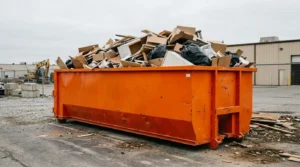
A dumpster rental is a short-term service in which a company delivers a large open container, called a roll-off dumpster, to your home or job site. You fill it with trash, old furniture, broken wood, or other waste at your own pace. When your rental period ends, the company returns to pick up the full bin and hauls it to a dump or recycling center.
This saves you from making many trips to the landfill in your own vehicle. It also helps keep your work area clean and safe because all the waste goes in one place rather than piling up around your home. Most people rent a dumpster for projects like these:
- Cleaning out a garage, attic, or basement
- Moving out of an old home
- Tearing out an old kitchen or bathroom
- Roofing jobs and old shingle removal
- Yard work, like removing trees, branches, or dirt
- Estate cleanouts after a family member passes
When Does Renting a Dumpster Make Sense?
You don’t always need a large bin for every cleanup. If you have just a few bags of trash, your regular pickup is enough. But when the amount of junk increases, renting a dumpster is often the smarter and more affordable option.
If your waste won’t fit in your car or truck in one or two trips, or if you have heavy materials like concrete, dirt, or roofing, renting a dumpster is a good idea. It’s also useful for projects that last several days and create ongoing mess. You can throw trash in the bin as you work to keep your area tidy.
Choosing the Right Dumpster Size
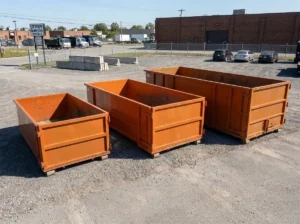
Choosing the right size is where many first-timers make mistakes. If you pick a dumpster that’s too small, you’ll run out of space before finishing your project. If you choose one that’s too big, you’ll pay for space you don’t use. Dumpsters are measured in cubic yards, which shows how much they can hold.
Here are the common sizes and what they work best for:
- 10-yard dumpster: Good for small jobs such as a single-room cleanout, a small bathroom remodel, or a load of dirt. It holds about three pickup-truck loads.
- 20-yard dumpster: Great for flooring removal, large cleanouts, or a medium remodel. This is the most popular pick for home projects.
- 30-yard dumpster: Designed for larger jobs, such as a full home cleanout, new construction, or a major renovation.
- 40-yard dumpster: This is the largest option. Best for large building sites or commercial projects with substantial waste.
If you’re unsure between two sizes, it’s usually safer to choose the larger size. It may cost a little more, but it’s better than filling a small bin and having to rent another.
Also Read: What Sizes of Dumpsters are Available for Rent
What It Costs to Rent a Dumpster
The next big question is price, and the truth is, it varies. Most companies charge a flat rate that covers drop-off, pickup, the rental period, and a set weight limit. The final cost depends on several factors:
- The size of the dumpster you pick
- How long do you keep it
- Your location and how far the truck has to drive
- The type of waste you’re throwing away
- The weight of what you load in
Heavier materials such as concrete, brick, and dirt usually cost more because they are harder to transport. Most rentals have a weight limit, and if you exceed it, you’ll pay an extra fee for each ton over the limit. To avoid extra costs, try to estimate the amount of junk honestly before booking. A professional dumpster rental company will explain the pricing clearly so you won’t have any surprises on your bill.
What You Can and Can’t Put in a Dumpster
This is important, and ignoring it can cost you. Most regular trash is fine to throw away, but some items are banned by law or by the landfill. If you put the wrong items in the dumpster, you might face extra fees or the company may refuse to pick it up. Here are things you can usually throw away:
- Old furniture and mattresses
- Wood, drywall, and flooring
- Household junk and boxes
- Yard waste like branches and leaves
- General construction debris
Things that are often not allowed:
- Paint, oil, and other chemicals
- Batteries and tires
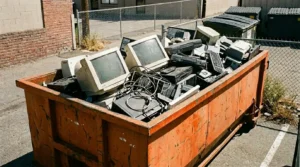
- Electronics like TVs and computers
- Appliances with freon, like fridges and AC units
- Hazardous waste or anything flammable
Rules can vary by location, so it’s wise to ask the company for their list before you start loading the dumpster.
How Long Can You Keep a Dumpster?
Most dumpster rentals include a set rental period, typically seven to fourteen days. This is usually enough time for most home projects. If you need the dumpster longer, many companies allow you to keep it for an additional daily fee. Let them know in advance so you aren’t surprised by extra charges.
For short weekend jobs, some people only need the bin for a couple of days. If that’s your case, ask about a shorter rental, which may save you a little money..
Where to Place the Dumpster
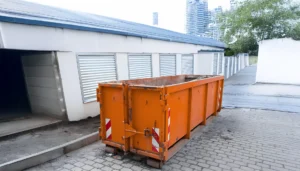
Before the dumpster arrives, choose a flat, open area for it. Most people use their driveway because it’s easy to access and out of the way. Make sure the area is clear of cars, low branches, and power lines so the truck can deliver the bin easily. A few quick placement tips:
- Pick a hard, level surface like concrete or asphalt
- Leave enough room for the truck to back in and lift the bin
- Avoid soft grass or dirt, since the heavy bin can sink or leave marks
- Check if your town needs a permit to place one on the street
If you need to place the dumpster on a public road, your city may require a permit. The rental company can usually tell you if this applies in your area.
Also Read: How Does Dumpster Rental Work
Simple Tips Before You Book
A bit of planning can make a big difference. These simple steps help first-timers get the most from their rental without extra costs or problems:
- Guess your junk amount first. Walk through your project and picture how much waste it will generate. This helps you pick the right size.
- Load heavy items at the bottom. Spread the weight evenly so the bin is safe to haul.
- Don’t overfill it. Trash should stay level with the top edge. A bin overfilled past the rim usually can’t be picked up.
- Ask about all fees up front. Know the weight limit, the rental window, and any additional charges before you say yes.
- Book a few days early. Reputable companies fill up fast, so giving notice helps you get the size and day you want.
Why People Choose 98 Dumpster Rental in Fort Myers, FL?
If you’re new to dumpster rentals, choosing the right company is as important as selecting the right bin. At 98 Dumpster Rental, we aim to make the process simple, fair, and stress-free for every customer, especially those renting for the first time.
Our team helps you choose the right size so you don’t pay for space you won’t use. We keep our pricing clear and upfront, so the price we quote is the price you pay, with no hidden fees. We also make sure drop-off and pickup happen on time because we know delays can slow your project.
If you have questions or want to book your first bin, our team is ready to help and get the right dumpster to your door quickly.