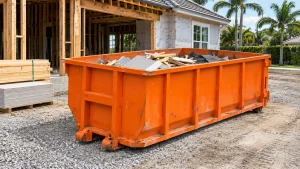
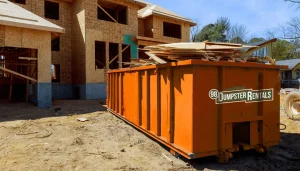
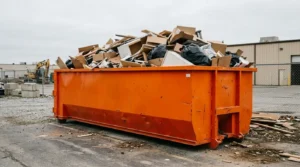
Construction projects create debris from the first day of work. Old drywall, broken concrete, scrap lumber, and packaging pile up quickly, and a job site without a proper place for waste can become unsafe and slow to work around. Choosing the wrong dumpster can also cause problems, such as an overweight load that cannot be hauled or a container that fills up halfway through the project.
Construction dumpster rentals run smoothly when contractors plan a few key details before delivery. The dumpster size should match the type of debris, and heavy materials like concrete should go in their own load. Contractors also need to confirm placement rules, leave enough room for the truck, and schedule pickup before the container is full. Taking care of these steps early helps the project stay clean, safe, and on schedule.
Why Construction Sites Need a Dedicated Dumpster
A dedicated dumpster gives every piece of debris a clear place to go from the start of a project. It supports the job site in several important ways:
- Safer Job Sites: Loose debris creates tripping hazards and can damage tools and materials.
- Faster Work: Crews spend less time moving piles and more time on the actual project.
- Easier Compliance: Proper containment helps contractors follow local rules for waste and site cleanliness.
- Cleaner Look for Clients: An organized site shows homeowners and property managers that the work is being handled professionally.
Construction creates more waste than most people expect. Construction and demolition debris made up 36.68% of all municipal solid waste collected in Florida in 2024, the largest share of any material. Therefore, a dedicated dumpster is essential for keeping that volume under control on a job site.
How to Choose the Right Dumpster Size for a Construction Job
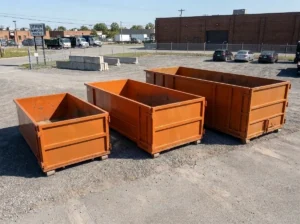
The right size depends on both the amount of debris and how heavy it is. These are the most common dumpster sizes for construction work and the jobs each one handles best.
10 Yard Dumpster for Heavy Debris and Small Jobs
A 10 yard dumpster holds about three pickup truck loads of debris. It is a smart choice for heavy materials like concrete, dirt, and brick, since these reach the weight limit long before they fill a larger container. Contractors also use it for single-room remodels and small landscaping jobs.
20 Yard Dumpster for Remodels and Roofing
The 20 yard dumpster is one of the most popular sizes for construction work. It holds about six pickup truck loads and works well for these projects:
- Kitchen and bathroom remodels
- Roofing tear-offs
- Flooring removal
- Multi-room renovations
This size offers enough space for most mid-sized jobs without taking up too much room on the site. It is also a practical option for heavier debris when a 10 yard container is too small.
30 Yard Dumpster for Large Renovations
A 30 yard dumpster holds about nine pickup truck loads, making it a strong fit for large renovations and whole-house projects. It handles bulky debris such as old cabinets, framing lumber, and drywall from several rooms at once.
This size works best for bulky, lighter debris rather than dense materials. Heavy loads like concrete fill up the weight allowance well before a container this large is full.
40 Yard Dumpster for New Construction and Demolition
The 40 yard dumpster is the largest standard size and holds about 12 pickup truck loads. It is built for new construction, full demolition, and high-volume job sites that produce a steady stream of debris. Contractors working on large commercial projects often choose this size to reduce the number of pickups needed during the job.
Read More: What to Do With Storm Debris After a Hurricane
Weight Limits and Heavy Construction Debris
Every dumpster rental comes with a weight allowance, and going over it creates problems on the job site. At 98 Dumpster Rental, each rental includes 1 ton of debris, which covers most light remodeling and cleanout waste. Dense materials are a different story, since a few loads of concrete or roofing shingles can use up that allowance quickly.
An overweight container cannot leave the site until part of the load is removed. That means the crew has to unload debris by hand, which costs time and slows the project down. Planning ahead for heavy materials avoids this problem completely.
Before booking, make a quick list of the heaviest materials the job will produce and share it with the rental company. This lets them recommend the right container and confirm how much weight your project will need. Taking this step early is one of the easiest ways to get construction dumpster rentals right from the start.
What You Can and Cannot Put in a Construction Dumpster
Most construction debris can go straight into a roll-off dumpster. A few materials, however, need special handling and must be kept out of the container.
Accepted Construction Materials
The majority of materials from a typical job site are accepted. Common examples include:
- Drywall, plaster, and lumber
- Framing materials and plywood
- Tile, flooring, and roofing shingles
- Cabinets, doors, and windows
- Concrete, brick, and asphalt in separate loads
- Metal studs and scrap metal
These materials make up most of the waste from remodels, new construction, and demolition work. Grouping similar debris together also makes loading faster and more efficient.
Prohibited Materials
Some items are not allowed in a standard dumpster because they are hazardous or regulated. These are the most common prohibited materials on construction sites:
- Asbestos: Requires licensed abatement and separate disposal.
- Tires and Lead-Acid Batteries: Banned from Florida landfills.
- Appliances With Refrigerant: Refrigerators and AC units need the refrigerant removed by a professional first.
- Chemicals and Liquids: Solvents, fuels, wet paint, and similar products can contaminate the entire load.
Keeping these items out of the dumpster prevents extra charges and protects the environment. If you are unsure about a specific material, ask the rental company before loading it.
Permits and Placement on a Construction Site
Where the dumpster sits affects both permit requirements and how easily the truck can deliver and remove it. Planning placement before delivery day helps avoid delays.
Private Property vs Public Streets
In Lee County, no permit is needed when the dumpster is placed on private property, such as a driveway or the job site itself. A right-of-way permit is usually required if the container must sit on a public street, and it comes from the local municipality. Contractors should check these rules early, since processing times can vary.
Construction activity in Southwest Florida stays strong. In the first half of 2025, Cape Coral authorized 29.7 multifamily units per 10,000 residents, one of the highest rates in the nation. Busy building markets like this can drive up demand for job-site dumpsters during peak seasons.
Space and Access Needed for Delivery
Roll-off trucks need enough room to drop and retrieve the container safely. Before delivery, make sure the site has these basic requirements:
- About 60 feet of straight clearance for the truck
- Roughly 23 feet of overhead room clear of wires and branches
- A firm, level surface for the container
Clearing the area before the truck arrives keeps delivery fast and prevents damage to the property.
Planning Delivery and Pickup for a Construction Project
A well-timed rental keeps debris under control without interrupting the work. Keep these planning tips in mind:
- Order early in the day for same-day delivery
- Choose a rental period that matches the project timeline
- Extend the rental before the period ends
- Schedule pickup before the container is completely full
Our team at 98 Dumpster Rental plans every construction delivery around the contractor’s schedule, so the container arrives when the crew is ready to start loading. Tell us the type of debris and the length of your project when you call (239) 628-1858, and we will recommend the right size and rental period. Since we run our own trucks, construction dumpster rentals can often be delivered the same day you order.
Tips for Loading a Construction Dumpster Safely
Proper loading protects the crew and makes sure the container can be hauled without problems. These tips help keep the dumpster safe and efficient:
- Load Heavy Items First: Place dense debris at the bottom to keep the container stable.
- Spread Weight Evenly: Distribute debris across the dumpster instead of piling it in one corner.
- Keep Debris Below the Top Edge: Overfilled containers cannot be transported safely.
- Keep the Area Around the Dumpster Clear: A clear path makes loading easier and pickup faster.
A neatly loaded dumpster holds more debris and reduces the risk of injuries on site. It also helps the pickup go smoothly at the end of the rental.
Also Read: What Happens If You Overfill a Dumpster?
FAQs
What size dumpster do I need for a construction project?
It depends on the type of debris and the size of the job. A 20 yard dumpster suits most remodels and roofing jobs, while 30 and 40 yard containers handle larger renovations, new construction, and demolition work.
Can I put concrete in a construction dumpster?
Yes, concrete is accepted, but it should go in a separate load. Concrete reaches the weight limit long before it fills the container, so a 10 or 20 yard dumpster is usually the right choice for heavy debris.
Do I need a permit for a construction dumpster?
In Lee County, no permit is needed when the dumpster sits on private property like a driveway or job site. A right-of-way permit from the local municipality is usually required if the container is placed on a public street.
How long can I keep a construction dumpster?
A standard rental from 98 Dumpster Rental includes seven days. If the project runs longer, you can extend the rental by calling before the period ends, so the dumpster stays on site until the work is done.
What happens when my construction dumpster is full?
Call your rental company to schedule a pickup, and avoid loading debris above the top edge in the meantime, since overfilled containers cannot be hauled. 98 Dumpster Rental can usually arrange an early pickup within a day of your call.
The Bottom Line
Construction debris builds up fast, and the right dumpster keeps a job site safe, organized, and productive. Choosing the correct size, keeping heavy materials separate, and confirming placement rules before delivery prevent the most common problems. Planning construction dumpster rentals around the project timeline also makes pickups easier and keeps the work moving.
98 Dumpster Rental has supported contractors across Fort Myers and Lee County since 2019. Our roll-off dumpsters range from 10 to 40 yards, and every rental comes with flat-rate pricing and 1 ton of debris included. We are licensed and insured in Florida, and as a locally owned company that runs its own trucks, we can control the schedule and deliver to your job site quickly.
Keep your crew focused on building instead of hauling. Reserve your construction dumpster with us and get it on site when the work begins.