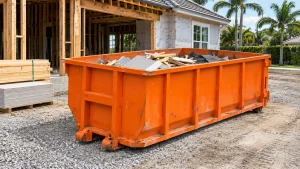
Your hurricane debris dumpster can reach its weight limit before it looks full. Wet drywall and roofing shingles can make a load heavier than expected.
Hurricanes can leave behind fallen trees, broken roofing materials, damaged furniture, and large piles of debris. Once the storm passes, removing these materials becomes a priority for Fort Myers homeowners, landlords, and business owners. However, not every type of storm debris can be collected or disposed of together. Certain items require special handling, while larger cleanup projects may need additional containers or private hauling.
Knowing what to do with storm debris after a hurricane helps you organize the cleanup and avoid unnecessary delays. Proper sorting, local collection rules, and suitable disposal arrangements make the work easier. For properties with extensive debris, hurricane dumpster rentals in Fort Myers provide a practical option for collecting approved materials before removal.
-
Check Your Property for Dangerous Storm Debris
Inspect the damaged areas before moving hurricane debris. Look for broken glass, exposed nails, unstable branches, damaged roofing, and loose construction materials. Stay away from downed electrical lines and structures that appear unsafe. Photograph damaged property before clearing it when insurance documentation may be needed. Floodwater can also leave behind sewage, chemicals, and mold, making protective gloves, sturdy footwear, and suitable eye or respiratory protection important during cleanup. The EPA’s flooded-home cleanup guidance explains precautions for handling potentially contaminated materials. Leave unstable structures, electrical hazards, and suspected hazardous waste to qualified professionals rather than attempting ordinary debris removal.
-
Separate Hurricane Debris Into the Right Categories
Sorting hurricane debris helps collection crews handle different waste types correctly. Lee County requires storm debris to be separated from regular household trash and recycling, while certain materials need special disposal arrangements.
| Debris Category | Common Examples |
|---|---|
| Vegetative debris | Fallen branches, logs, palm fronds, and leaves |
| Construction debris | Damaged drywall, lumber, roofing, siding, and flooring |
| Household debris | Storm-damaged furniture, mattresses, and carpets |
| Appliances | Refrigerators, washing machines, dryers, and air conditioners |
| Electronics | Televisions, computers, and damaged electronic equipment |
| Hazardous waste | Paint, chemicals, batteries, fuel, and propane tanks |
Keep these materials in separate piles for public collection, following Lee County’s Post-Hurricane Debris Action Guidelines. The county specifically separates garbage, vegetation, building debris, appliances, and other waste. Household chemicals must never be mixed with ordinary storm debris because they can create a fire hazard. Private dumpster acceptance may differ, making it important to confirm which materials can share a container before loading.
-
Follow Fort Myers and Lee County Storm Debris Collection Rules
Fort Myers and Lee County have specific requirements for storm debris collection. During an activated hurricane cleanup program, eligible debris generally needs to be separated and placed at an approved curbside location. City and county collection arrangements may differ, and not every property automatically qualifies for publicly funded collection.
Follow these local debris placement rules:
- Keep roads clear: Place eligible debris near the curb, not in the roadway.
- Separate debris piles: Keep vegetation, building materials, appliances, and garbage apart.
- Avoid obstructions: Leave space around utility poles, fire hydrants, water meters, and mailboxes.
- Check property eligibility: Public collection programs may have restrictions for commercial properties and private roads.
- Follow current schedules: Hurricane debris pickup may operate separately from regular trash collection.
Lee County’s hurricane debris management guidance explains collection arrangements and disaster debris procedures. Residents within Fort Myers city limits should also confirm instructions from their municipal collection provider. Property managers and businesses may need private hauling when public storm debris collection does not cover their property or waste.
-
Rent a Dumpster for Large Amounts of Hurricane Debris
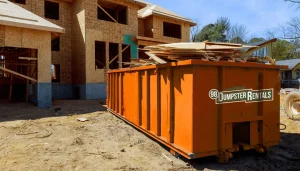
Hurricanes can generate more debris than ordinary waste collection can handle. Roll-off dumpsters provide a convenient place to collect approved furniture, drywall, lumber, roofing materials, and other storm waste during cleanup. Having a container at the property also reduces the need to arrange separate hauling trips. 98 Dumpster Rental provides hurricane cleanup containers in Fort Myers, with delivery and pickup services for suitable residential and commercial projects.
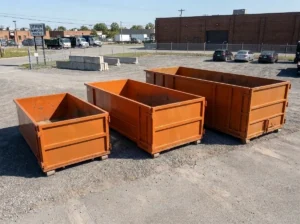
Choosing the Right Dumpster Size for Hurricane Cleanup
Choose a dumpster based on the amount and weight of debris rather than the size of your property alone. Branches and furniture occupy considerable space, while roofing shingles and wet construction materials can reach a container’s weight allowance more quickly.
Common dumpster sizes for hurricane cleanup include:
- 10-yard dumpster: Smaller cleanup projects with limited damaged materials or yard debris.
- 20-yard dumpster: Residential cleanups involving furniture, lumber, drywall, and approved storm waste.
- 30-yard dumpster: Larger projects involving substantial quantities of damaged materials.
98 Dumpster Rental also lists larger containers for suitable projects. However, heavier loads may require a smaller dumpster to remain within transportation and weight restrictions. Tell the rental provider what debris you have and approximately how much needs removing before choosing the container.
What Hurricane Debris Can Go Into a Rental Dumpster?
98 Dumpster Rental lists several hurricane-related materials among its accepted waste categories, including approved furniture, wood, drywall, roofing shingles, siding, carpets, and yard debris. Acceptance depends on the material’s condition, disposal requirements, and the specific rental agreement.
Materials requiring separate approval or disposal include:
- Fuel, paint, solvents, and hazardous chemicals
- Propane tanks and other pressurized containers
- Batteries and regulated electronic waste
- Refrigerators and air conditioners containing refrigerants
- Suspected asbestos-containing materials
- Contaminated soil or other regulated waste
Some appliances require special handling before disposal, particularly when refrigerants are involved. Flood contamination may also affect whether materials are accepted. Confirm the complete debris list before loading, since placing prohibited materials in a dumpster can cause collection problems or additional charges.
-
Load Hurricane Debris Into the Dumpster Safely
Load approved debris carefully to make full use of the container without creating an unsafe load. Place heavy materials evenly rather than concentrating them in one area. Suitable bulky items can be broken down to save space, while sharp objects should be handled carefully to prevent injuries.
Keep these loading precautions in mind:
- Distribute weight: Spread heavy construction debris across the container.
- Reduce bulky items: Break down suitable furniture, lumber, and large materials.
- Control sharp debris: Handle nails, broken glass, and damaged metal carefully.
- Follow the fill line: Keep debris below the dumpster’s permitted loading level.
- Respect weight limits: Avoid overloading the container with dense or waterlogged materials.
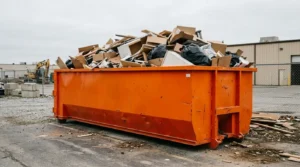
Wet drywall, roofing shingles, and soaked furniture may weigh considerably more than expected. Stop loading when the dumpster reaches its permitted capacity, even when some space remains. Additional debris may require another container instead of an overloaded pickup.
-
Arrange Dumpster Pickup and Final Debris Removal
Once the dumpster is ready, arrange collection with your rental provider. Check that approved materials remain below the fill line and nothing extends beyond the container’s edges. Pickup trucks need clear access, making it important to move vehicles and equipment away from the collection area.
Before confirming pickup, check:
- Load condition: All debris is approved and remains within the permitted fill and weight limits.
- Truck access: The pickup route is clear of parked vehicles, equipment, and overhead obstructions.
- Collection arrangements: Your provider has confirmed the pickup request and any remaining rental requirements.
98 Dumpster Rental provides dumpster delivery and collection for Fort Myers cleanup projects. Customers using Hurricane Dumpster Rentals in Fort Myers should arrange another container when debris exceeds the first dumpster’s capacity instead of attempting to overload it.
Frequently Asked Questions
Can You Put Hurricane-Damaged Furniture in a Dumpster?
Yes, many storm-damaged furniture items are accepted in roll-off dumpsters, including sofas, mattresses, tables, and carpets. However, unusual contamination or restricted materials may affect acceptance. Tell the rental provider what the furniture contains and whether it was exposed to chemicals or other hazardous substances before loading.
Can Wet Drywall and Roofing Shingles Go Into a Dumpster?
Yes, 98 Dumpster Rental lists drywall and roofing shingles among its accepted materials, subject to the rental terms. Wet drywall and shingles can create heavy loads, making weight limits important. Ask which dumpster size is suitable before combining large quantities of these materials.
Will Lee County Pick Up Hurricane Debris From Private Property?
Not automatically. Lee County’s public hurricane debris collection generally applies to eligible materials placed at designated curbside locations. Debris removal from private property may require special authorization or an activated disaster program. Confirm eligibility directly with the county or city before relying on publicly funded collection.
Can You Mix Tree Branches With Construction Debris After a Hurricane?
For Lee County’s public debris collection, no. Vegetative debris and construction materials must be kept in separate piles. Private dumpster acceptance may differ, depending on the rental provider and disposal facility. Confirm whether mixed loads are allowed before placing branches and construction debris together.
Where Should You Dispose of Hazardous Materials After a Hurricane?
Lee County provides a Household Chemical Waste facility at 6441 Topaz Court in Fort Myers for eligible household materials. Residents can check the county’s Household Chemical Waste guidance for accepted items and facility details. Commercial properties should confirm the applicable business hazardous-waste requirements before delivering regulated materials.
How Soon Can You Rent a Hurricane Cleanup Dumpster in Fort Myers?
Dumpster availability depends on storm conditions, road access, container availability, and local cleanup demand. 98 Dumpster Rental advertises prompt delivery options under normal operating conditions, but customers should confirm actual availability following a hurricane. Provide the property address, preferred dumpster size, and debris details when requesting service.
Clear Hurricane Debris With 98 Dumpster Rental in Fort Myers
Hurricane debris cleanup requires careful sorting, safe handling, and suitable disposal arrangements. Fort Myers property owners should follow current local collection rules and keep hazardous materials separate from ordinary waste. Large cleanup projects may also benefit from a roll-off dumpster when municipal collection is unavailable or insufficient. At 98 Dumpster Rental, we provide containers for approved storm debris, along with delivery and pickup services across our Fort Myers service area.
Need Hurricane Dumpster Rentals in Fort Myers for your property? Contact 98 Dumpster Rental to discuss your debris, choose a suitable container, and arrange cleanup service.